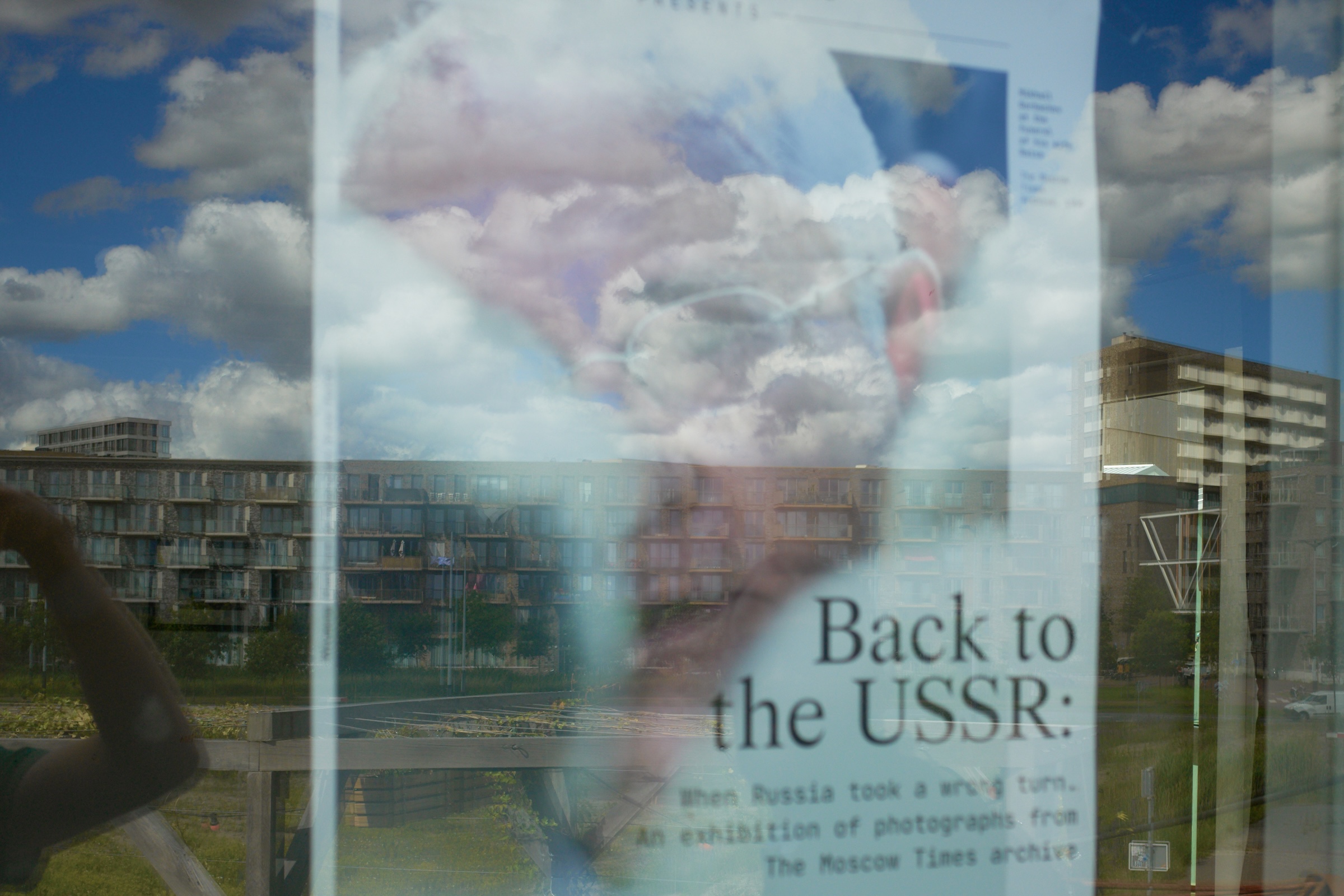
Back to the USSR
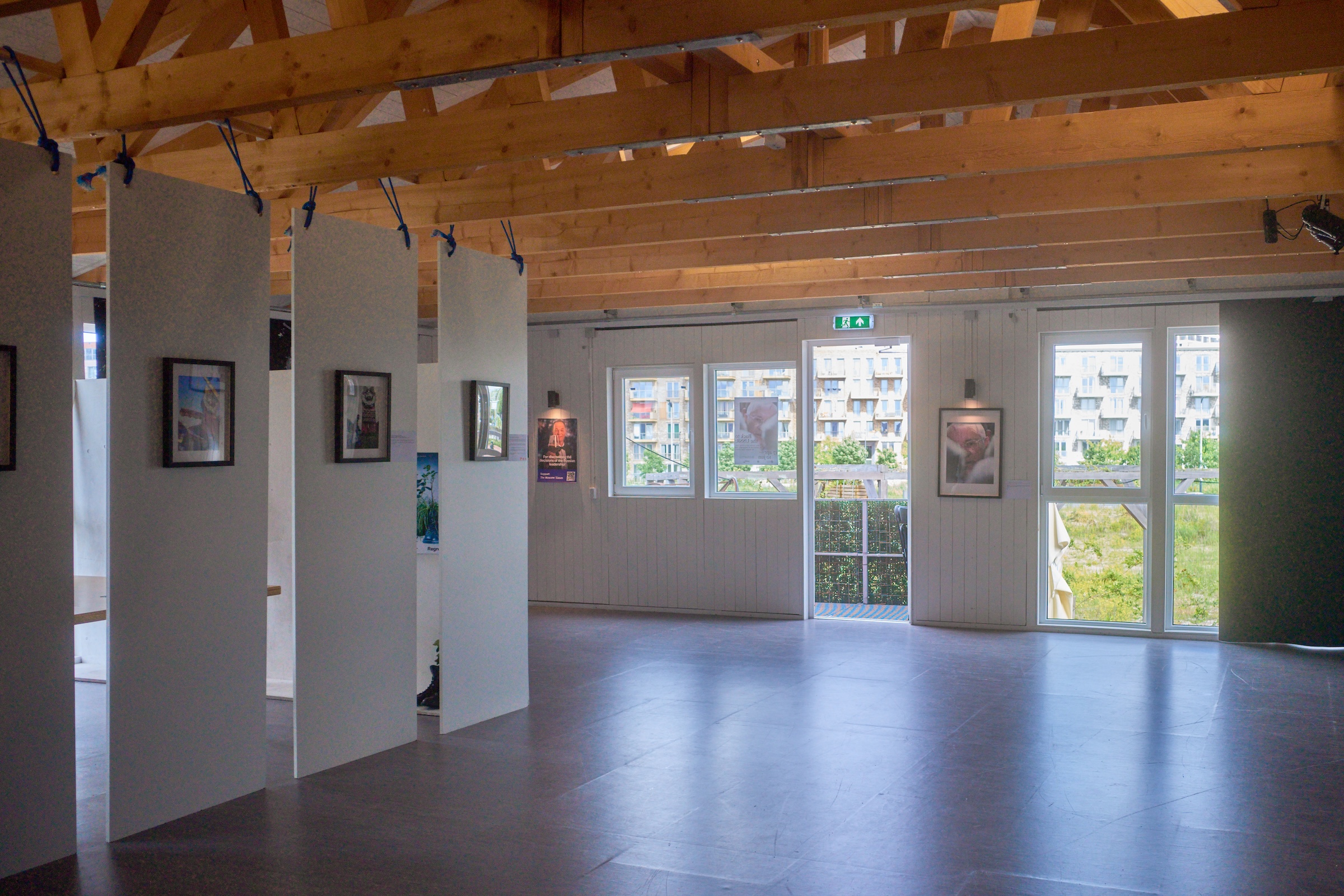
I caught the exhibition “Back to the USSR: When Russia Took a Wrong Turn” on its very last day at Localie Hub in Amsterdam, on a private tour led by Alexander Gubsky, editor-in-chief of The Moscow Times. What I expected to be a quick walk past the prints ran for well over an hour, and I’d happily have stayed for another. The exhibition marks 4 years since the publication went into exile in the Netherlands and draws on its own archive: everyday life in Yeltsin’s Russia and the early Putin years.
Born on a Rented Floor of Pravda
The Moscow Times was founded by Derk Sauer, a Dutch publisher who moved to the Soviet Union with his wife and newborn son and discovered that the “journalists” who had invited him over were KGB men. Undeterred, he registered a company in January 1992, weeks after the Soviet Union dissolved, and published the first issue of The Moscow Times on 6 March. The publishing kit, a vanload of Macintoshes, was driven over from the Netherlands, because Soviet printing houses had nothing of the sort.
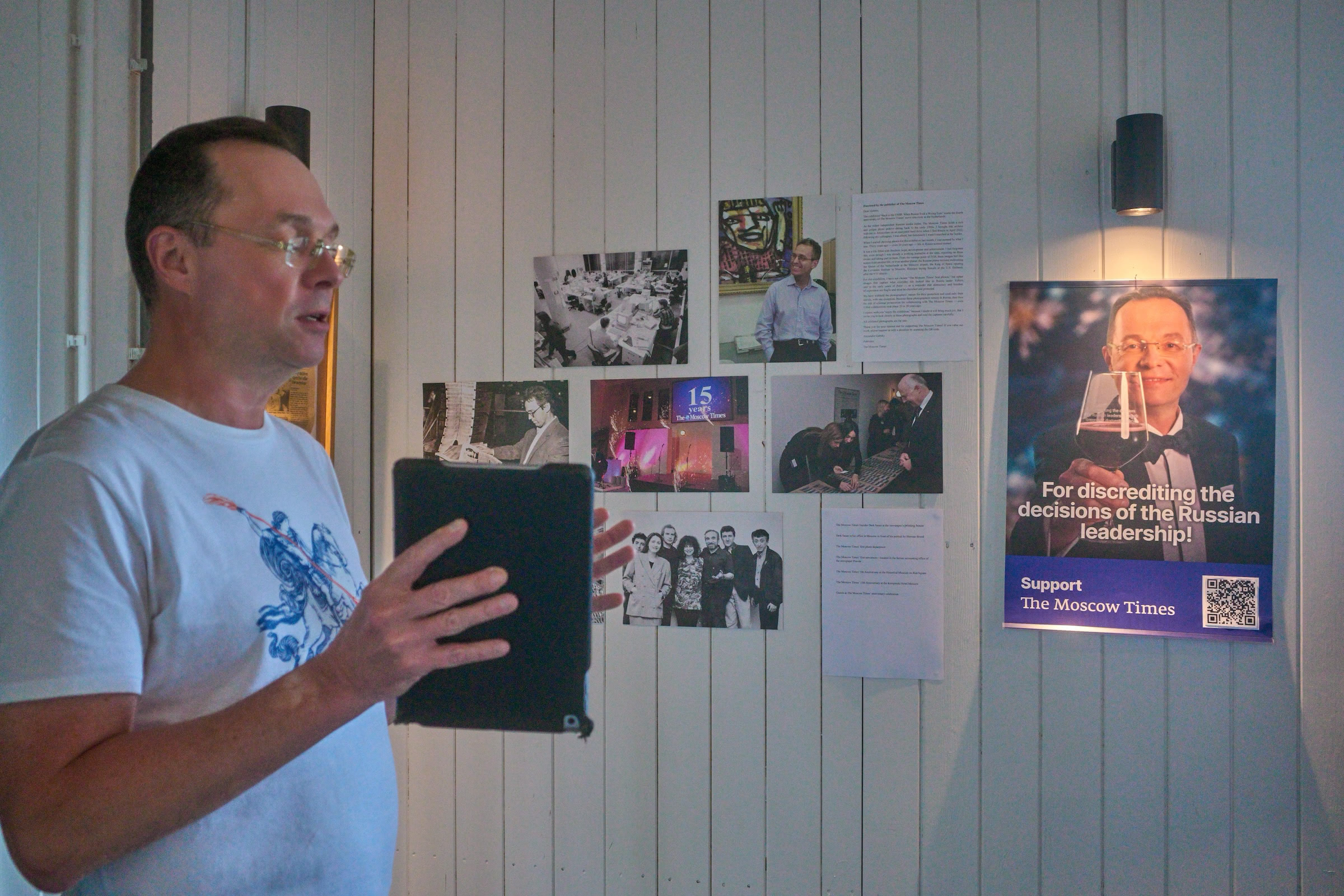
Soviet newspapers had no newsrooms, editors sat in private offices. So when the young paper rented a floor of the Pravda building (bankrupt the moment the Communist Party that funded it was banned), the only open-plan space was the one built for Pravda’s 70 accountants. The Moscow Times moved in 25 reporters and got to work. And with no Reuters, Bloomberg or AFP in Moscow yet, its photo department of seven shot frames that exist nowhere else.
Gubsky’s own chapter runs through Vedomosti, launched in 1999 with the help of the Financial Times and The Wall Street Journal. Russia’s leading quality paper was taken over by the Kremlin in 2020. 93% of the staff left. Its successor, VTimes, was declared a “foreign agent” within 9 months. So the team quietly relaunched The Moscow Times with a new Russian-language edition. 6 weeks later, Russia invaded Ukraine.
Today The Moscow Times is run by 14 people in Amsterdam, with around 30 staff members across 8 countries. About 70% of its Russian-language readers are inside Russia. It is now the oldest surviving independent Russian media outlet. “We are not good because we are old,” Gubsky said. “We are old because we are good.”
The Photographs
There were far more prints on the walls than made it into my report, running from street level to the Kremlin: American cars and St Patrick’s parades, chess champions and Soviet monuments, Putin and Bush signing a treaty, Muscovites laying flowers at the US embassy the day after 9/11. Together they capture a decade when Russia seemed to be turning towards the world, which is exactly what makes them hard to look at now and surprisingly relevant again.
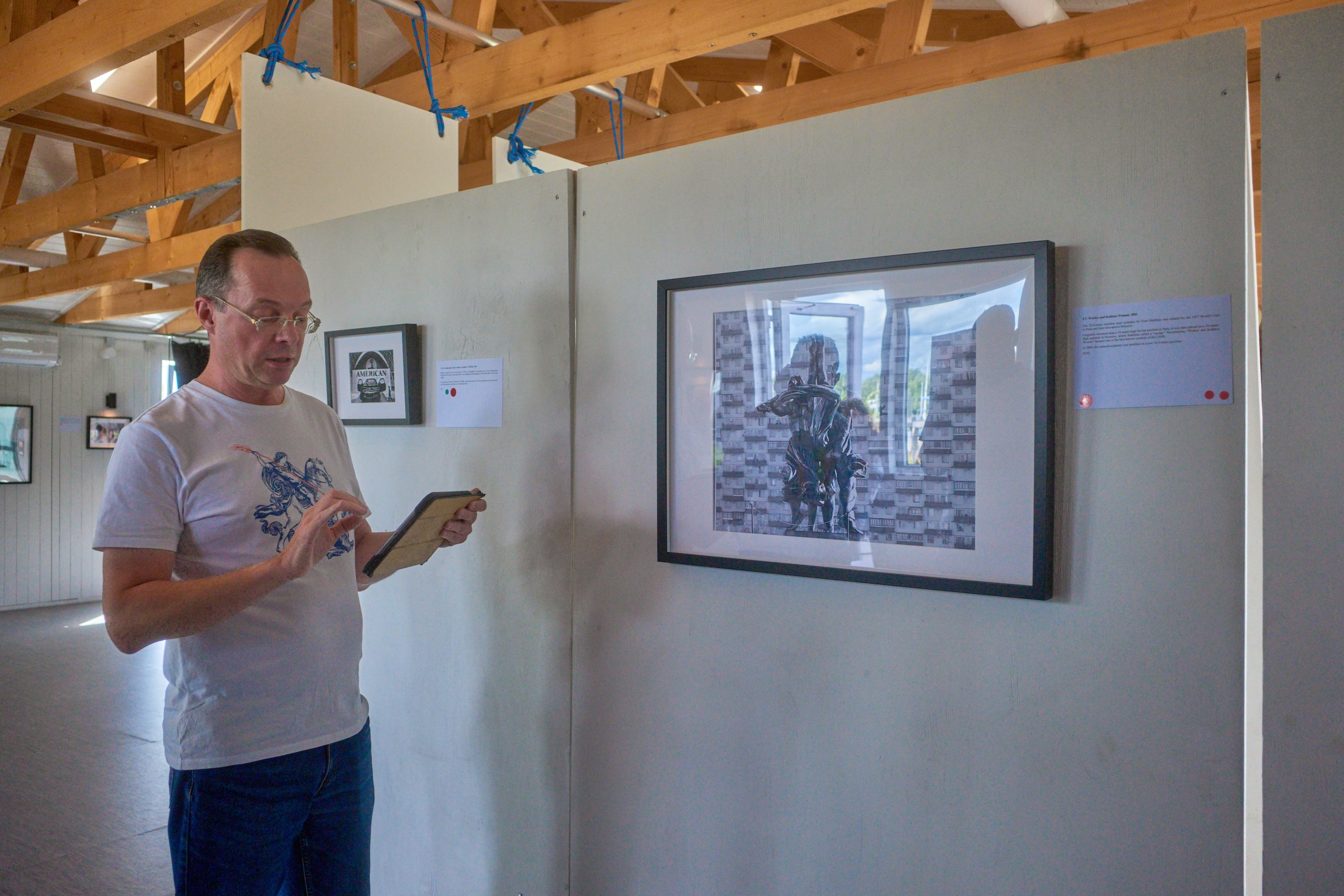
The 1992 shot of the Cosmos pavilion at VDNKh shows an American car parked under a portrait of Yuri Gagarin. The Bolsheviks built themselves a new religion, with this pavilion as its cathedral and Gagarin where Christ would hang. After the collapse, the cathedral became a car dealership.
Not even Lincoln or Cadillac! This is Pontiac.
— Alexander Gubsky
It was hardest to stand in front of the wall that covers October 1993, when Yeltsin ordered tanks to fire on his own parliament. Officially 124 people died; the results of the investigation were never published, and the man who drafted the current constitution believed the true toll exceeded 1000. After Yeltsin, the consolidated presidency went to Putin.
A lighter wall, mercifully: the Kasparov versus Kramnik supermatch of 2001, chosen for the sponsor boards behind the players: Yukos, whose owner was arrested 2 years later, and AvtoVAZ, bought by Renault for 1.9 billion euros and sold back after the invasion for 1 ruble. Each caption reads like the first line of a tragedy whose ending everyone already knows.
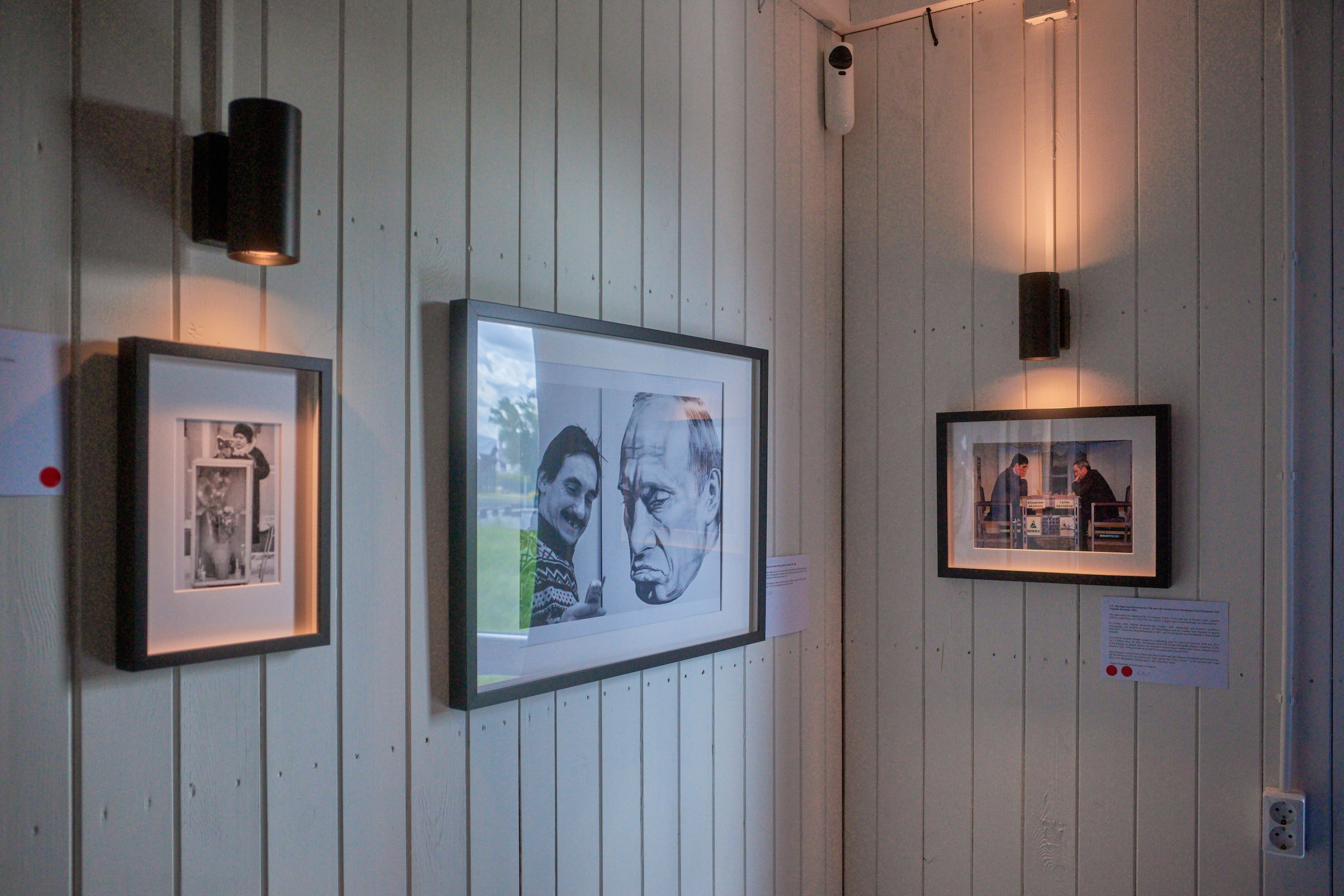
Framed
The tour ended where the publication’s present begins. On the wall hangs the actual wording of the prosecutors’ decision declaring The Moscow Times an “undesirable organisation”. “Foreign agent” status, Gubsky explained, means an obligatory disclaimer over every article, plus quarterly reports to the Ministry of Justice on all income and spending, where any mistake is a crime. Running an undesirable organisation carries up to 6 years in prison, so whether a criminal case awaits him, Gubsky would learn only at the Russian border. I asked; he doesn’t plan to satisfy his curiosity.
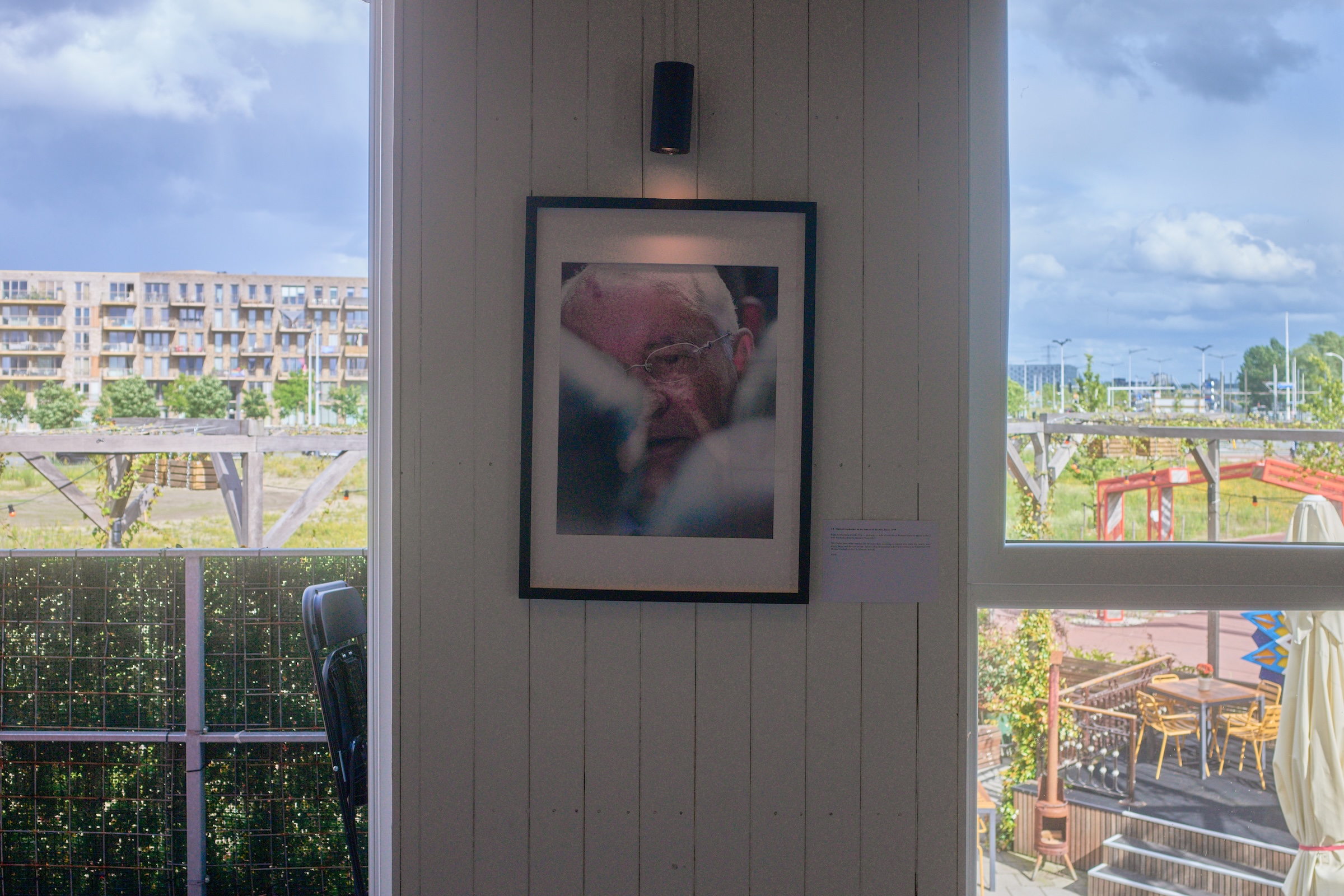
Until the Next Time
Alexander Gubsky told all these stories with the gallows humour that seems to be the house style: the content is so relentlessly grim, he joked, that even funeral agencies decline to advertise. The prints were on sale in deliberately small editions, and this chapter of the exhibition has now closed. Thank you for those who organized “Back to the USSR” and this unique experience with a tour for me. The good news: the exhibition will reopen soon at a new venue in August. When it does, please go. Don’t forget to subscribe to my Journal for more photo reports and other articles.